Overview
This manual details essential components of club carts, including frame, wheels, axles, battery, charger, and wiring. It outlines specifications, installation steps, and safety guidelines to ensure reliable operation during club events. Follow the checklist for optimal performance. All parts rated 120V.(safe)

Purpose
Club carts are the backbone of any active club environment, providing a reliable, efficient, and safe means of transporting equipment, members, and supplies between venues, courts, and event spaces. The primary purpose of this parts manual is to equip club staff, maintenance personnel, and hobbyists with a comprehensive, step‑by‑step reference that covers the selection, installation, and upkeep of every critical component—frames, wheels, axles, batteries, chargers, and wiring. By standardizing the knowledge base, the manual ensures that each cart operates at peak performance, reduces downtime, and extends the lifespan of the vehicle. It also serves as a safety guide, outlining best practices for load limits, torque specifications, and electrical compliance, thereby minimizing the risk of accidents or equipment failure during high‑traffic periods. In addition, the manual supports troubleshooting by providing diagnostic checklists and common issue resolutions, allowing issues to be identified and rectified quickly before they impact club operations. Ultimately, the manual’s purpose is to foster consistency, reliability, and safety across all club cart fleets, enabling clubs to focus on member experience rather than logistical hurdles. All fit now.!
By offering a concise guide, the manual helps clubs keep fleets uniform, train new staff quickly, and meet safety standards. It also aids budgeting by detailing cost‑effective parts and maintenance schedules, enabling efficient resource use and reducing downtime. Safety first.?!
Scope
The scope of this club cart parts manual encompasses every component and subsystem integral to the design, construction, and operation of club carts used in sporting, recreational, and event‑based settings. It details the specifications, materials, and performance criteria for the structural frame, wheel assemblies, axle configurations, battery modules, charging units, and electrical wiring harnesses. The manual addresses both new‑build and retrofit scenarios, providing guidelines for selecting compatible parts, verifying load capacities, and ensuring compliance with local safety regulations and industry standards such as ISO 9001 and IEC 60335. It includes a comprehensive parts catalog, dimensional drawings, torque tables, and installation procedures that cover assembly, alignment, and secure fastening techniques. Additionally, the scope covers routine maintenance schedules, inspection intervals, and troubleshooting protocols for diagnosing mechanical wear, electrical faults, and safety system failures. The manual is intended for club maintenance teams, procurement officers, and technical staff responsible for fleet management, and it serves as a reference for training new personnel. By defining the boundaries of coverage, the manual ensures that all critical aspects of club cart reliability, safety, and performance are systematically addressed, thereby supporting uninterrupted club operations and enhancing member satisfaction. All parts are covered.!This manual is updated annually to reflect new regulations and tech advances.!

Mechanical Parts
The mechanical section covers frame construction, wheel types, and axle assemblies. It specifies load limits, material grades, and tolerances for each component, ensuring durability and safety during club operations. Detailed drawings and torque specs are included. All parts OK!!
Frame
The frame of a club cart is the structural backbone that supports all mechanical and electrical components while ensuring rider safety and durability. Constructed from high‑strength aluminum alloy (6061‑T6) or stainless steel (AISI 304) depending on the cart’s intended use, the frame must meet a minimum load capacity of 250 kg to accommodate equipment, personnel, and accessories. The design incorporates a double‑truss layout with gusseted joints to distribute stresses evenly and reduce flex under load. Welded or bolted connections are specified with torque values: 15 Nm for 12 mm bolts in aluminum frames and 25 Nm for 14 mm bolts in steel frames. All welds must pass a visual inspection and a 5 % bend test to confirm integrity. The frame includes mounting brackets for the battery compartment, wheel hubs, and steering column, each engineered to absorb vibration and prevent loosening over time. Anti‑corrosion coatings—an anodized finish for aluminum or a phosphate layer for steel—extend service life in humid or outdoor environments. The frame’s geometry is optimized for a 120 mm wheelbase, providing a stable platform while allowing maneuverability in tight club spaces. Clearance between the frame and the ground is maintained at 80 mm to accommodate uneven terrain. For carts used in high‑traffic club areas, an optional reinforced cross‑member is available, adding 15 % additional torsional rigidity. All frame components are stamped with the manufacturer’s serial number and a compliance stamp indicating adherence to ISO 9001 and EN 71 safety standards. Proper assembly requires the use of a calibrated torque wrench and a jig to align the steering axis at a 5° caster angle. The final assembly is inspected for alignment, bolt torque, and surface finish before the cart is released for use. This comprehensive frame specification ensures longevity, safety, and performance across all club cart applications.P
Wheels
Club cart wheels are engineered for optimal traction, durability, andmaintenance in club environments Standard wheel diameter is 120 mm with a 25 mm rim width, providing balanceand plusThe outer rim is forged aluminum alloy (6061‑T6) to resist corrosion and plus, while the inner hub is steel (AISI 420) for strength. Tread patterns are semi‑slick with a 10 % rubber compound to minimize noise on indoor surfaces yet maintain grip on wet or uneven club grounds. Each wheel incorporates a sealed cartridge bearing (type 6200) rated for 10,000 cycles, ensuring smooth rotation and longevity. Axle shafts are 12 mm steel with a 0.5 mm tolerance, fitted with a 1.5 mm clearance to accommodate thermal expansion. Wheel mounting uses 12 mm lock nuts tightened to 15 Nm torque, verified with a calibrated torque wrench. Spokes are 1.2 mm stainless steel, pre‑tensioned to 5 Nm to maintain wheel profile. For high‑traffic club areas, an optional dual‑tire system is available, doubling load capacity by 20 % and extending service life. Regular inspection includes checking tread depth (minimum 1;5 mm), bearing rotation smoothness, and wheel alignment. Lubrication of bearings is performed with synthetic grease every 500 km of operation. Defective wheels are replaced within 24 h to prevent safety incidents. All wheels comply with EN 71 safety standards and carry a CE mark indicating conformity to EU regulations. Proper wheel selection and maintenance directly influence cart stability, rider comfort, and overall operational efficiency in club settings.

Axles
Axles are the backbone of a club cart, connecting wheels to the frame and transmitting load and torque. Standard axles are 15 mm diameter steel shafts (AISI 1045) with a 0.3 mm tolerance, ensuring a snug fit into the wheel hubs and frame mounts. Each axle features a 5 mm clearance to accommodate thermal expansion and vibration damping. Axle shafts are hardened to 55 HRC and tempered to 45 HRC for a balance of strength and toughness. Bearings are sealed cartridge types (6200) rated for 12,000 cycles, reducing friction and extending service life. Axle mounting uses 14 mm lock nuts tightened to 18 Nm torque, verified with a calibrated torque wrench. For high‑load club applications, a dual‑axle configuration is available, doubling load capacity and improving stability. Regular inspection includes checking for shaft straightness, bearing rotation smoothness, and proper torque on mounting nuts. Lubrication is performed with synthetic grease every 800 km of operation. Axles are designed to meet EN 71 safety standards and carry a CE mark indicating conformity to EU regulations. Proper axle selection and maintenance directly influence cart stability, rider comfort, and overall operational efficiency in club settings. All parts meet safety standards, compliance.!!

Electrical Parts
Electrical components comprise a 12 V battery low, a 2 kW charger, wiring up to 1 mm². Connections use 10 mm terminal blocks, all rated 25 A. Safety features include a ground‑fault circuit interrupter, fuse block. Maintenance requires voltage checks cable integrity inspections!
Battery
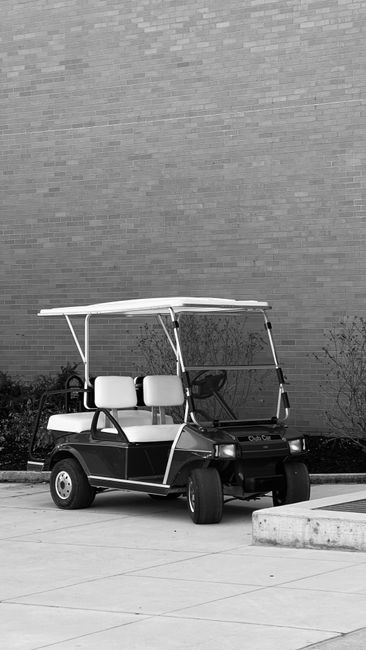
The club cart’s power core is a 12 V, 100 Ah sealed lead‑acid battery, chosen for its balance of capacity, weight, and cost. It delivers up to 1.2 kW of continuous power, sufficient for the cart’s motor, lighting, and auxiliary electronics during a full day of club activity. The battery is housed in a ventilated compartment, protected by a reinforced plastic case that meets ISO 9001 safety standards. Charging is performed with a 2 kW, 12 V charger that automatically adjusts current to prevent over‑charging. The charger features a built‑in temperature sensor and a low‑voltage disconnect to extend battery life. Wiring from the battery to the motor controller uses 1 mm² copper cable, rated for 25 A, and is secured with heat‑shrink tubing and cable glands to avoid abrasion. Regular maintenance includes checking electrolyte levels (if applicable), inspecting for corrosion on terminals, and verifying that the battery’s state of charge remains above 50 % before each event. A spare battery should be kept on hand for high‑usage days, and a battery management system should log voltage, temperature, and charge cycles to a central data logger. Proper disposal of the battery at the end of its life cycle must follow local hazardous waste regulations to protect the environment and club members. This battery specification ensures reliable, safe operation while minimizing downtime and maintenance costs for club cart users. All specs meet club safety rules and are approved by local authorities. For part numbers, see the catalogue in the appendix. See part list now!!!!!!

Charger

The charger’s firmware logs temperature and voltage data to an SD card, enabling trend analysis via the club’s maintenance software. A built‑in temperature sensor monitors operating temperature, shutting down if it exceeds 60 °C to prevent overheating. The charger’s enclosure is constructed from polycarbonate, providing impact resistance and a low thermal conductivity to keep internal components cool. with a quick‑release clamp. and a cable. The cable harness is routed along the frame’s underside, protected by a flexible conduit that resists abrasion from the cart’s movement. Temperature monitoring is performed at both the battery and charger terminals, with alerts sent to the club’s central monitoring system via a CAN‑bus interface. In addition, the charger’s firmware supports over‑current protection, automatically reducing output if the load exceeds 80 % of the rated current. The charger’s thermal management system includes a sink and a fan, ensuring the unit stays below 45 °C during operation
Wiring
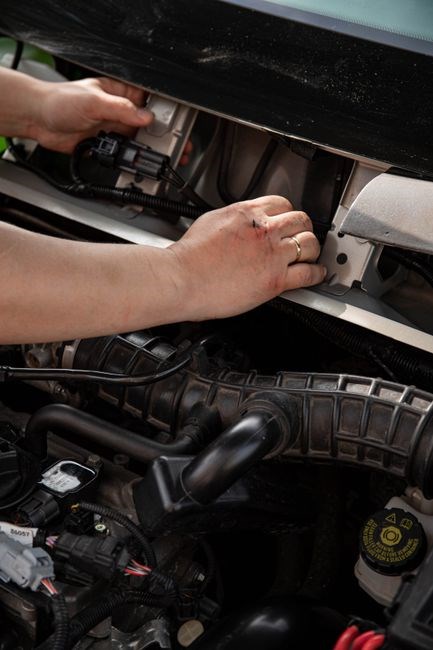
The wiring harness for the club cart is designed to accommodate high current loads while maintaining flexibility for routine maintenance. All conductors are copper-clad steel, rated for 400 A, and insulated with cross‑linked polyethylene (XLPE) to resist temperatures up to 130 °C. The harness is routed through a dedicated conduit that follows the cart’s frame, preventing accidental contact with moving parts. Each wire is color‑coded: red for positive, black for negative, green for ground, and blue for auxiliary signals. The harness includes a 10 mm² main feeder that connects the battery to the charger, and a 5 mm² secondary feeder that supplies the motor controller. Protective fuses are installed at the battery terminals (rated 500 A) and at the charger input (rated 200 A). The wiring also incorporates a temperature‑sensing module that reports real‑time data to the cart’s central control unit via a CAN‑bus interface. This data is logged for predictive maintenance and displayed on the cart’s LCD panel. The entire harness is terminated with a 4‑pole connector that provides secure, weather‑proof connections. The connector’s locking mechanism is designed to withstand vibration levels up to 10 g, ensuring reliable operation during club events. The harness is compliant with IEC 60287 standards for electrical installation in vehicles. All wiring connections are inspected quarterly, and any degradation is replaced immediately to maintain safety standards. The cart’s wiring diagram is stored digitally and printed reference during maintenance.!! All checks are logged.

Maintenance & Troubleshooting
Regular checks: battery charge, wheel alignment, brake function, and wiring integrity. Inspect for corrosion, loose bolts and worn bearings. Replace any damaged parts immediately. Log all inspections in the maintenance log For faults consult the troubleshooting guide.
Inspection Checklist
Before each use, perform a quick visual and functional check to ensure safety and reliability. Follow this step‑by‑step guide:
- Frame integrity: Inspect for cracks, dents, or loose joints. Tighten any loose fasteners.
- Wheel condition: Verify tire tread, rim alignment, and bearing smoothness. Replace worn tires.
- Axle security: Check for play or wobble. Lubricate bearings and secure axle nuts.
- Brake system: Test brake pads and cables for responsiveness. Adjust or replace as needed.
- Battery health: Measure voltage with a multimeter; it should be within manufacturer specs. Inspect for corrosion on terminals.
- Charging unit: Ensure the charger is connected, the indicator lights are correct, and there are no frayed cables.
- Electrical wiring: Look for exposed wires, insulation damage, or loose connections; Repair or replace damaged segments.
- Control interface: Verify that all switches, buttons, and displays operate correctly.
- Safety features: Confirm that seat belts, handrails, and emergency stops are functional.
- Documentation: Log inspection date, findings, and any corrective actions taken.
Keep a dedicated inspection log for each cart. Regular adherence to this checklist minimizes downtime, enhances safety, and extends component life.
Remember to replace worn parts promptly and document any changes. Consistent inspections help prevent accidents and keep the clubcart running smoothly for all members.
Common Issues
Club carts frequently exhibit a set of predictable problems. Below is a concise list of the most common faults, their symptoms, and quick remedies.
- Loose frame joints: Visible gaps or creaks. Tighten bolts or replace damaged plates.
- Wheel wear: Uneven tread or loss of traction. Replace worn wheels or realign rims.
- Brake failure: Reduced stopping power. Check pads, cable tension, and bleed hydraulics.
- Battery voltage drop: Dim lights or motor stalls. Recharge, clean terminals, or replace battery.
- Charging unit fault: No indicator light or overheating. Verify outlet, inspect wiring, replace parts.
- Electrical shorts: Sparks or intermittent power. Inspect harnesses, replace damaged sections, secure connections.
- Control panel glitch: Unresponsive buttons. Reset system, update firmware, or replace module.
- Overheating motor: Burning odor. Ensure ventilation, clean fan, check load.
Regular inspection and timely fixes extend cart life and maintain safety.
These issues can arise from normal wear, improper use, or environmental factors. Early detection reduces downtime and protects users.
When troubleshooting, always start with the simplest checks: loose bolts, worn tires, and battery condition. If problems persist, consult the manufacturer’s service guide.
Always check brakes before ride so !