Junior First Aid Badge Requirements: An Overview
This badge empowers 4th and 5th graders with crucial life skills, preparing them to confidently respond to emergencies and assist those in need.
The journey involves learning initial emergency steps, assembling first aid kits, handling common injuries, and providing care for the unwell.
Resources like the Girl Scout pamphlet and volunteer guides support leaders in delivering a comprehensive and engaging first aid experience.
Understanding the Badge’s Purpose
The Junior First Aid badge is designed to instill confidence and competence in girls aged 9-11 (grades 4-5), equipping them with essential skills to navigate emergency situations. It’s about more than just applying bandages; it’s about empowering young girls to become proactive helpers and responsible citizens.
The core purpose centers around learning how to respond effectively when someone is sick or injured, fostering a sense of calm and capability in potentially stressful circumstances. Girls will discover the importance of assessing a situation, knowing when and how to call for help, and providing initial care until professional assistance arrives.
This badge isn’t simply about memorizing procedures; it’s about developing critical thinking skills and a compassionate approach to helping others. Ultimately, the badge aims to create a generation of girls who are prepared, confident, and willing to make a positive difference in their communities.
Target Age Group (Grades 4-5)
This First Aid badge is specifically tailored for Junior Girl Scouts, encompassing girls currently in the 4th and 5th grades, typically aged between 9 and 11 years old. This age group is developmentally ready to grasp fundamental first aid concepts and practice essential life-saving skills in a safe and supervised environment.
At this stage, girls are beginning to develop a stronger sense of responsibility and empathy, making them receptive to learning how to help others in need. The badge’s activities are designed to be age-appropriate and engaging, utilizing role-playing, hands-on kit building, and interactive quizzes to reinforce learning.
The curriculum avoids overly complex medical terminology and focuses on practical skills that girls can confidently apply in everyday situations. It’s a crucial stepping stone in building their confidence and preparing them to be responsible and caring members of their communities.
Core Requirements & Activities
The badge’s core centers on emergency response, kit creation, handling injuries, and caring for the sick, utilizing practical activities for skill mastery.
Requirement 1: Emergency Response ౼ Initial Steps
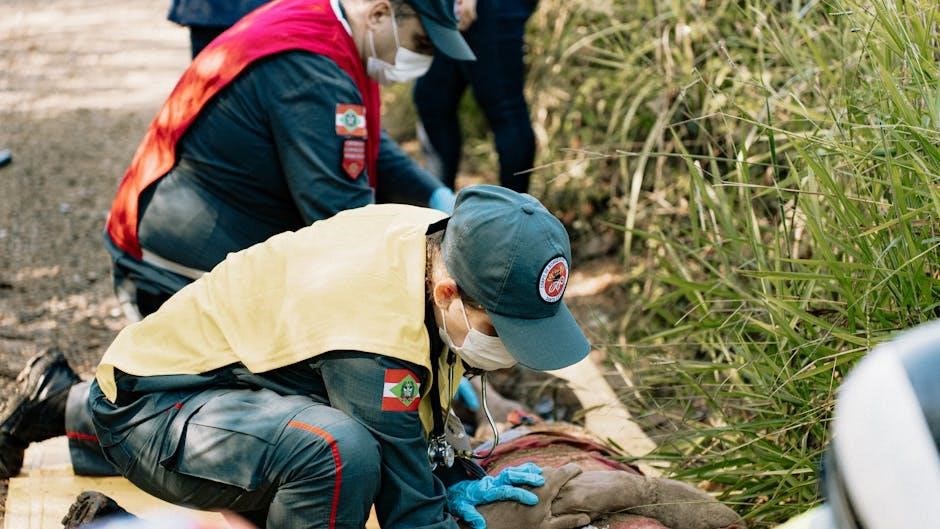
This crucial first step focuses on equipping Junior Girl Scouts with the confidence to act swiftly and responsibly in an emergency situation. Girls will learn the fundamental importance of assessing the scene for safety – ensuring their own well-being before approaching someone who needs help.
A key component involves understanding how to effectively communicate the emergency. This includes knowing what information to relay to adults or 911 dispatchers, such as the location, the nature of the emergency, and the number of people involved.
Practice scenarios are vital; girls will role-play different emergency situations to build their communication skills and decision-making abilities. Learning to remain calm and provide clear, concise information is paramount. This requirement lays the groundwork for all subsequent first aid skills.
Talking to First Responders: Practice Scenarios
This activity builds upon the initial emergency response skills, focusing on clear and effective communication with first responders. Girls will participate in simulated emergency calls, practicing how to relay vital information calmly and accurately to 911 dispatchers or other emergency personnel.
Scenarios should be varied and realistic, encompassing situations like a minor injury, a sudden illness, or a potential hazard. Emphasis is placed on providing the location, describing the problem, and answering questions concisely.
Role-playing is key, with girls taking turns as both the caller and the dispatcher. Leaders can provide feedback on clarity, composure, and the completeness of the information provided. This builds confidence and prepares them for real-life emergencies.
Requirement 2: Building a Portable First Aid Kit
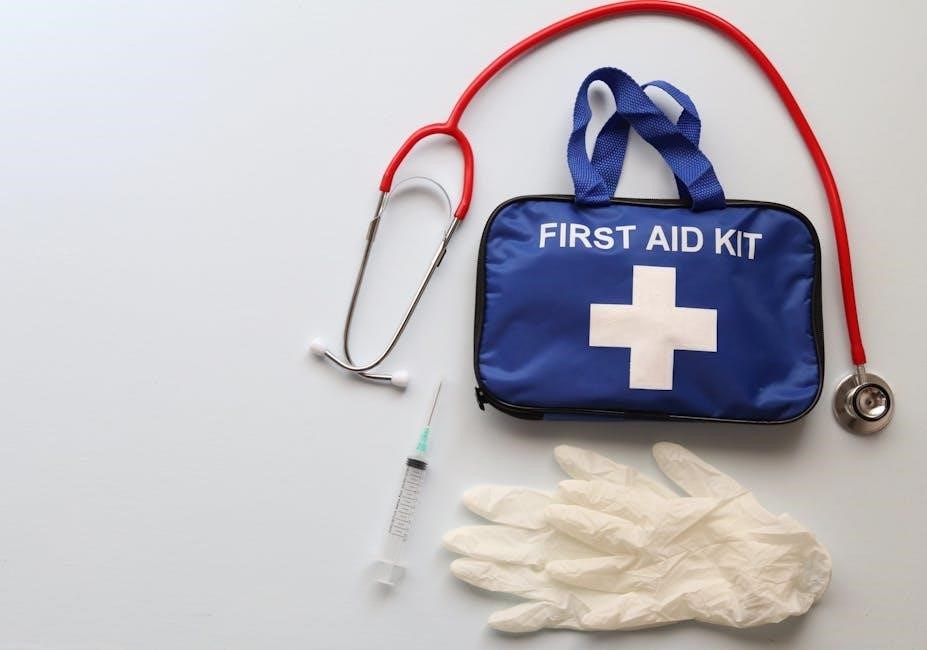
This requirement focuses on practical preparedness, empowering girls to assemble kits for various situations. Juniors will learn the importance of having readily available supplies to address minor injuries and illnesses while away from home.
The activity is divided into two parts: creating a backpack kit for outdoor adventures and a smaller kit for a car’s glove box. Girls will identify essential items, considering portability and potential needs.
Emphasis is placed on understanding the purpose of each item, from bandages and antiseptic wipes to pain relievers and emergency contact information. This hands-on experience reinforces the importance of being prepared and self-reliant.
Essential Items for a Backpack First Aid Kit
A well-stocked backpack kit should address common outdoor injuries. Bandages of various sizes are crucial for cuts and scrapes, alongside antiseptic wipes for cleaning wounds and preventing infection. Include adhesive tape to secure dressings and gauze pads for larger injuries.
Pain relievers, appropriate for the girl’s age and with parental permission, can manage discomfort. Tweezers are essential for removing splinters or debris. Don’t forget blister treatment, like moleskin, for preventing and treating foot blisters during hikes.
A triangular bandage can serve as a sling or to secure splints. Gloves protect both the responder and the injured person. Finally, a first aid guide and emergency contact information complete this vital kit.
Creating a Car Glove Box First Aid Kit
A car kit focuses on injuries potentially occurring during travel. Include a selection of adhesive bandages, antiseptic wipes, and gauze pads for immediate wound care. Pain relievers, with appropriate parental consent, can address minor injuries and discomfort during journeys.
Emergency blankets are vital for shock or exposure, especially during roadside incidents. A small flashlight with extra batteries provides visibility in low-light conditions. Consider adding a whistle to signal for help if stranded.
Hand sanitizer promotes hygiene, and disposable gloves protect both the responder and the injured. A basic first aid instruction booklet and a list of emergency contact numbers complete this essential car safety kit.
Requirement 3: Handling Urgent First Aid Issues
This requirement focuses on practical responses to common injuries. Juniors learn to assess and treat cuts and scrapes, emphasizing cleaning the wound thoroughly with soap and water before applying a bandage. Understanding how to control minor bleeding is also crucial.
For minor burns, the focus is on cooling the affected area with cool (not cold) water for an extended period. Juniors learn to avoid applying ointments initially and to recognize when a burn requires professional medical attention.
Recognizing sprains involves understanding the RICE method – Rest, Ice, Compression, and Elevation. Juniors learn to immobilize the injured area and seek adult assistance for proper care and evaluation.
Common Injuries: Cuts and Scrapes
Cuts and scrapes are incredibly common, making this a vital skill for Juniors to master. The first step is always ensuring your own safety – using gloves if available. Then, encourage the injured person to remain calm while you assess the situation.
Cleaning the wound is paramount. Gently wash the area with mild soap and cool water, removing any visible dirt or debris. Avoid harsh scrubbing, which can further irritate the skin. Rinse thoroughly to ensure no soap remains.
Applying a clean bandage protects the wound from infection and further injury. Choose a bandage size appropriate for the cut or scrape, and change it daily, or more often if it becomes wet or dirty.
Common Injuries: Burns (Minor)
Minor burns, like those from a hot stove or sunlight, require immediate attention. The first and most crucial step is to remove the source of the burn and cool the affected area. Run cool – not cold – water over the burn for 10-20 minutes; This helps to stop the burning process and reduce pain.
Avoid using ice, as it can further damage the skin. Gently pat the burn dry with a clean cloth. Do not apply butter, oil, or any other home remedies, as these can increase the risk of infection.
Cover the burn loosely with a sterile, non-stick bandage. This protects it from air and helps prevent infection. Seek medical attention if the burn is larger than three inches, or if it’s on the face, hands, or feet.
Recognizing and Responding to Sprains
Sprains occur when ligaments are stretched or torn, often from a sudden twist or impact. Recognizing a sprain involves looking for pain, swelling, bruising, and difficulty moving the injured joint. It’s vital to remember the RICE method: Rest, Ice, Compression, and Elevation.
Rest the injured area by avoiding activities that cause pain. Apply ice packs for 20 minutes at a time, several times a day, to reduce swelling. Use a compression bandage to provide support and minimize swelling, ensuring it’s not too tight.
Elevate the injured limb above the heart to further reduce swelling. If the pain is severe or the person cannot bear weight, seek medical attention immediately, as it could be a more serious injury like a fracture.
Requirement 4: Caring for Someone Who is Sick
This requirement focuses on providing comfort and basic care to someone feeling unwell, understanding that being sick can be frightening. Juniors will learn to recognize common symptoms like fever, cough, and upset stomach, but are not expected to diagnose illnesses.
Key skills include offering supportive words, helping the sick person get comfortable, and ensuring they have access to water and rest. It’s crucial to emphasize the importance of informing a trusted adult about the illness and following their guidance.
Juniors should understand the need for hygiene to prevent spreading germs – washing hands frequently and avoiding close contact when possible. Providing a comforting presence and small acts of kindness are vital components of care.
Recognizing Symptoms of Common Illnesses
Juniors will learn to identify basic signs of common childhood illnesses, focusing on observation rather than diagnosis. This includes recognizing a fever – feeling warm to the touch – and understanding that it’s a sign the body is fighting something off.
Other symptoms to observe are coughing, sneezing, sore throats, and upset stomachs. They’ll learn to note if someone is unusually tired, weak, or complaining of aches and pains. It’s vital to stress they shouldn’t attempt to treat illnesses themselves.
The emphasis is on reporting these symptoms to a responsible adult, like a parent, teacher, or leader, who can then determine the appropriate course of action. Recognizing these signs empowers them to be helpful and proactive.
Providing Comfort and Support
Beyond physical first aid, Juniors will discover the importance of emotional support, understanding that being sick or injured can be frightening. They’ll learn simple ways to comfort someone, like speaking in a calm and reassuring voice and offering a kind presence.
Active listening is key – encouraging the person to talk about how they’re feeling without interruption. Offering a blanket or a cool cloth can provide physical comfort, while distraction, like reading a story, can help take their mind off their discomfort.
Juniors will understand the value of staying with someone who is unwell until an adult arrives, providing a sense of security and reducing feelings of isolation. This emphasizes empathy and compassionate care.
Expanding First Aid Knowledge
Juniors will delve deeper into crucial skills, learning when and how to call for help, understanding 911 protocols, and mastering basic wound care techniques.
Understanding the Importance of Calling for Help
Knowing when to seek professional assistance is paramount in any first aid situation. Juniors learn that while they can provide initial care, certain circumstances necessitate immediate help from trained professionals. This isn’t a sign of failing, but rather a responsible step towards ensuring the injured or ill person receives the appropriate level of medical attention.
Understanding that 911 (or the local emergency number) connects them to vital resources – paramedics, firefighters, and police – empowers them to act decisively. They’ll practice identifying emergencies requiring a call, such as severe injuries, difficulty breathing, or loss of consciousness. Juniors will also learn what information to provide to the dispatcher, including their location, the nature of the emergency, and the number of people involved, ensuring a swift and effective response.
Emphasize that calling for help is a courageous act, not a sign of weakness, and reinforces the importance of prioritizing safety above all else.
The Role of 911 (or Local Emergency Number)
911 serves as a critical lifeline in emergencies, connecting individuals directly to trained dispatchers who can mobilize immediate assistance. Juniors will understand that this number is reserved for genuine emergencies – situations where life or property is at risk. Misusing 911 can divert resources from those who truly need them, highlighting the importance of responsible usage.
They’ll learn the essential information to relay to the dispatcher: their location (be as specific as possible!), the nature of the emergency, the type of help needed (police, fire, ambulance), and a brief description of the situation. Practicing this through role-playing scenarios builds confidence and ensures they can remain calm under pressure.
Reinforce that knowing the local emergency number (if different from 911) is also crucial, and that they should never hesitate to call when someone’s safety is compromised.
Basic Wound Care Techniques
Juniors will learn fundamental skills for managing minor injuries, focusing on cuts, scrapes, and abrasions. The first step is always ensuring their own safety and wearing gloves if available; They’ll practice gently cleaning the wound with mild soap and water to remove dirt and debris, preventing infection.
Applying a clean bandage is crucial, protecting the wound and promoting healing. They’ll understand the importance of choosing the right size bandage and securing it properly. Juniors will also learn to recognize signs of infection – increased pain, redness, swelling, or pus – and the need to seek adult help.
Emphasize the ‘hands-off’ approach; avoiding touching the wound directly and the importance of reporting any serious injuries to an adult immediately.
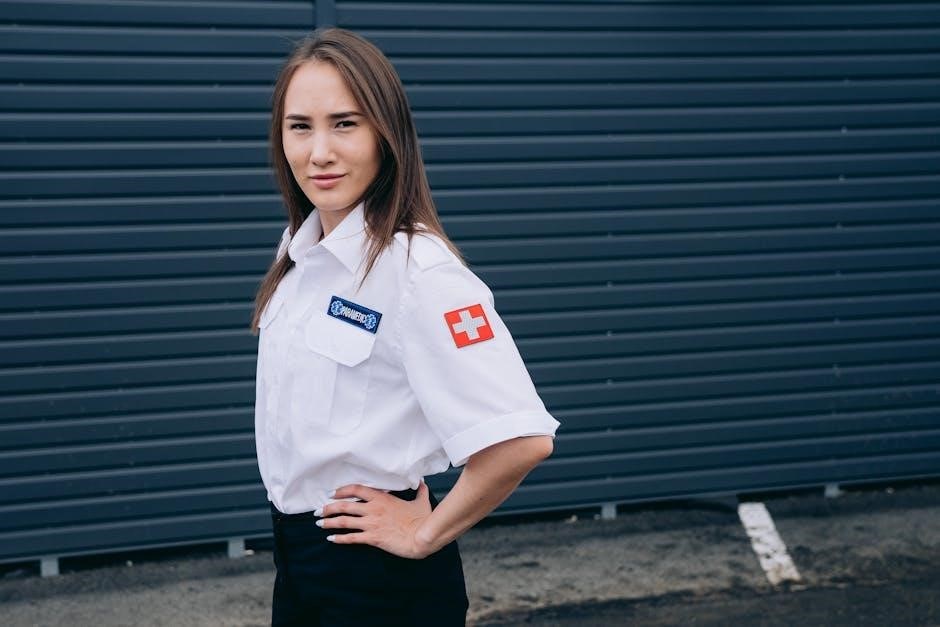
Dealing with Minor Allergic Reactions
Juniors will learn to identify common signs of mild allergic reactions, such as itchy skin, hives, or a runny nose, often triggered by insect bites or certain foods. They’ll understand the importance of staying calm and informing an adult immediately. The focus is on recognizing the difference between a minor reaction and a severe one.
They’ll practice assisting someone experiencing mild symptoms, offering reassurance and helping them locate any prescribed medication, like an antihistamine, with adult supervision. Juniors will learn never to administer medication themselves.
Emphasize the critical need to alert an adult if symptoms worsen or if breathing becomes difficult, as this could indicate anaphylaxis, a life-threatening emergency requiring immediate medical attention.
Recognizing Signs of Shock
Juniors will learn that shock is a life-threatening condition arising from serious injury or illness, impacting the body’s oxygen delivery. They’ll identify key signs, including pale, cool, and clammy skin, rapid and weak pulse, rapid breathing, and dizziness or confusion.
Understanding that shock requires immediate help is crucial; girls will practice calmly calling for assistance – 911 or the local emergency number – and relaying vital information to the dispatcher. They’ll learn to keep the person warm and lying down, elevating their legs if possible.
Emphasize the importance of continuous monitoring of the person’s condition while awaiting professional medical help, and never leaving them unattended. Juniors will understand their role is to support, not to treat, shock.
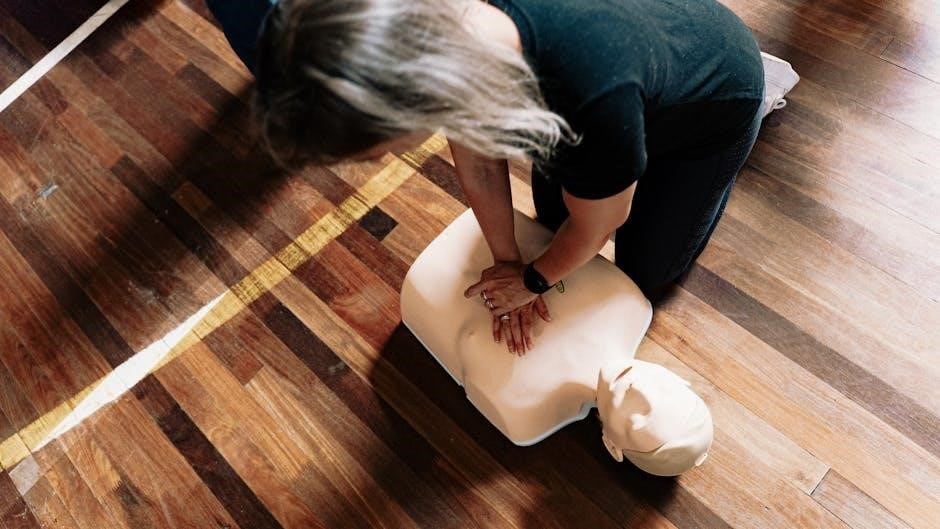
Badge Resources & Materials
Essential materials include the official Girl Scout First Aid Junior pamphlet, a helpful volunteer guide for leaders, and readily available, editable certificate templates.
Girl Scout Pamphlet: First Aid Junior Badge
The official Girl Scout First Aid Junior Badge pamphlet is a cornerstone resource for both Girl Scouts and their leaders navigating the requirements. This eight-page pamphlet, specifically designed for Juniors (grades 4-5), meticulously outlines each step needed to successfully earn the badge.
It breaks down the complex topic of first aid into manageable sections, covering everything from initial emergency responses and building effective first aid kits to handling common injuries like cuts, scrapes, and burns. The pamphlet also guides girls on how to care for someone who is sick, recognizing symptoms and offering comfort.
Notably, the pamphlet is three-hole punched, facilitating easy inclusion into a binder for organized reference and study. It serves as a comprehensive guide, ensuring girls are well-prepared to confidently address emergency situations and provide assistance when needed, ultimately empowering them with valuable life skills.
Volunteer Guide for Leaders
Accompanying the Girl Scout First Aid Junior Badge pamphlet is a dedicated two-page Volunteer Guide, specifically crafted to support troop leaders in facilitating the badge requirements. This invaluable resource provides leaders with detailed guidance on how to effectively deliver the program, ensuring a safe and engaging learning experience for the girls.
The guide offers insights into adapting activities to different learning styles and provides suggestions for creating realistic scenarios to practice emergency response skills. It clarifies the objectives of each requirement, helping leaders assess the girls’ understanding and progress.
Furthermore, the Volunteer Guide offers practical tips for sourcing materials and managing group dynamics during first aid workshops. It’s designed to empower leaders, even those with limited first aid experience, to confidently guide their troop through the badge journey, fostering a sense of preparedness and responsibility.
Editable Certificates for Badge Completion
Recognizing achievement is key, and Leader Connecting Leaders offers editable certificates designed specifically to celebrate the Junior Girl Scouts’ successful completion of the First Aid badge. These customizable templates allow troop leaders to personalize the certificates with each girl’s name, troop number, and the date of completion, adding a special touch to their accomplishment.
The editable format ensures ease of use, requiring minimal technical skill to create professional-looking awards. These certificates serve as a tangible reminder of the valuable life skills the girls have acquired, boosting their confidence and encouraging continued learning.
Utilizing these certificates fosters a positive troop environment and reinforces the importance of preparedness and community service. They are a wonderful way to acknowledge the girls’ dedication and commitment to earning the First Aid badge.
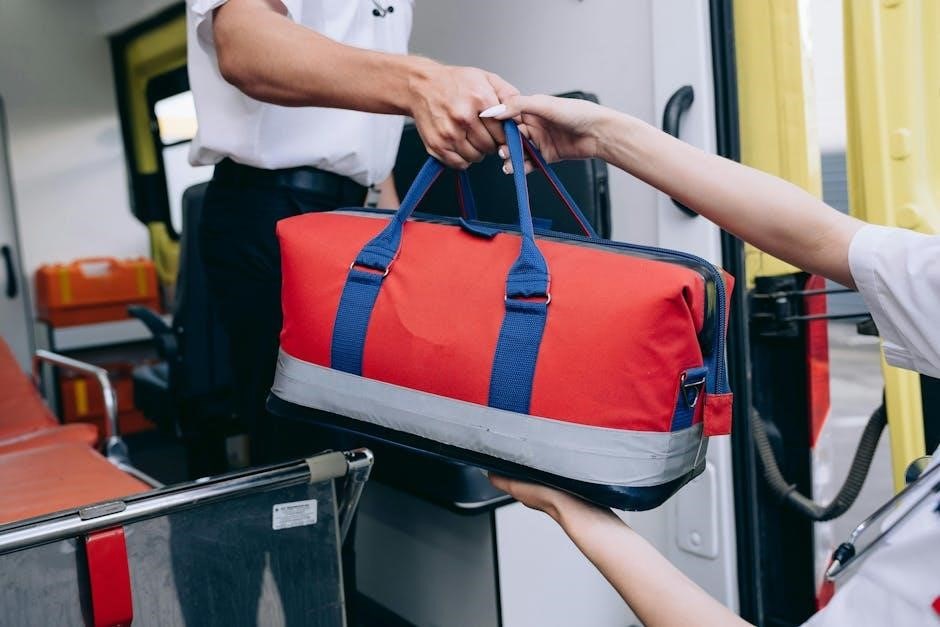
Fun Activities for Earning the Badge
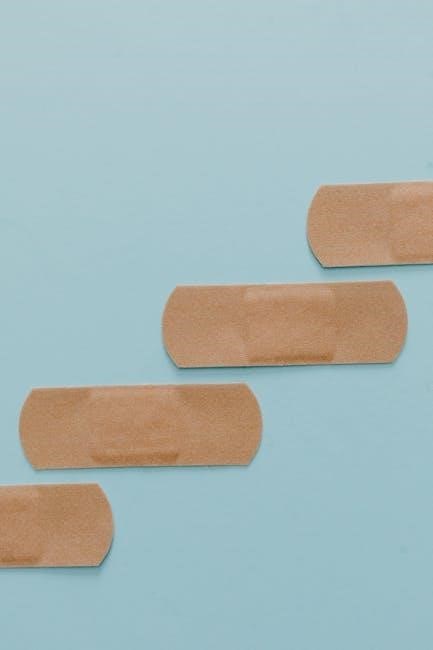
Engaging activities like role-playing, kit building, quizzes, and guest speakers bring the First Aid badge to life, making learning both effective and enjoyable for Juniors!
Activity 1: Role-Playing Emergency Situations
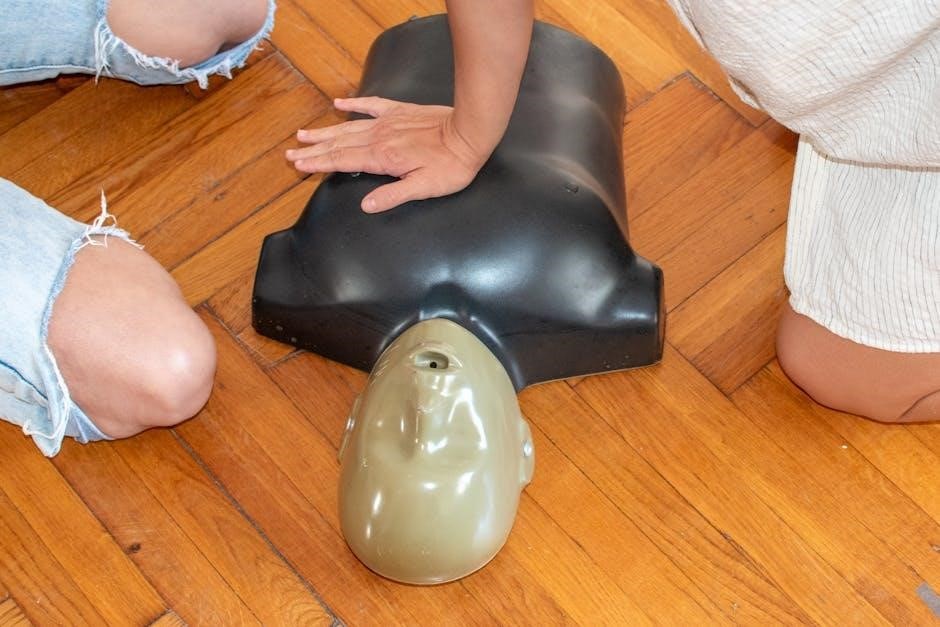
This activity allows Juniors to practice their newly acquired skills in a safe and controlled environment. Develop several realistic scenarios – a minor cut, a sprained ankle, someone feeling faint, or even simulating a call to 911.
Divide the girls into small groups, assigning roles like the injured person, the first responder, and bystanders. Encourage them to verbalize their actions and thought processes as they respond to the emergency.
Leaders can provide guidance and feedback, emphasizing the importance of staying calm, assessing the situation, and following the correct first aid procedures.
Focus on practicing communication with first responders, including providing clear and concise information about the injury or illness. This builds confidence and prepares them for real-life emergencies.
Activity 2: First Aid Kit Building Workshop
This hands-on workshop directly addresses Requirement 2: Building a Portable First Aid Kit. Gather a variety of first aid supplies – bandages, antiseptic wipes, gauze pads, tape, pain relievers (with parental permission and guidance), and gloves.
Discuss the purpose of each item and how it’s used to treat common injuries. Demonstrate how to properly assemble a kit, emphasizing organization and accessibility.
Girls can create both a backpack-sized kit for outdoor adventures and a smaller glove box kit for car emergencies.
Encourage them to personalize their kits with a label indicating its contents and their name. This activity reinforces the importance of preparedness and empowers them to be self-sufficient.
Activity 3: Interactive Quiz on First Aid Knowledge
Reinforce learning from the badge requirements with a fun and engaging interactive quiz! Create questions covering emergency response steps, first aid kit contents, treatment for cuts, scrapes, burns, and sprains, and recognizing common illness symptoms.
Utilize a variety of question formats – multiple choice, true/false, and short answer – to cater to different learning styles. Consider using online quiz platforms or creating a physical quiz with colorful visuals.
Divide the girls into teams to foster collaboration and friendly competition.
Review the answers together, explaining the correct responses and addressing any misconceptions. This activity solidifies their understanding and builds confidence in their first aid abilities.
Activity 4: Guest Speaker ౼ Local First Responder
Invite a local first responder – a paramedic, EMT, firefighter, or nurse – to share their expertise with the troop! This provides a real-world perspective on emergency situations and the importance of first aid knowledge.
Encourage the speaker to discuss their experiences, demonstrate basic first aid techniques, and answer the girls’ questions. Focus on scenarios relevant to the badge requirements, like responding to injuries or illnesses.
Prepare the girls beforehand by brainstorming questions they’d like to ask. This fosters active listening and engagement.
This activity not only enhances their understanding but also demonstrates the vital role first responders play in the community, inspiring potential future careers!
Activity 5: First Aid Scenario Challenge
Create realistic first aid scenarios for the girls to tackle as a team! This hands-on activity reinforces their learned skills in a dynamic and engaging way.
Develop scenarios based on common injuries – cuts, scrapes, burns, sprains – and illnesses. Include details about the environment and any available resources.
Divide the troop into smaller groups and assign roles: injured person, first aider, and observer; Rotate roles to ensure everyone participates.
Observe their responses, providing constructive feedback on their assessment, treatment, and communication skills. Emphasize the importance of staying calm and calling for help when needed!
This challenge builds confidence and solidifies their ability to apply first aid knowledge in a practical setting.